


Flexo-Print Coffee Bags
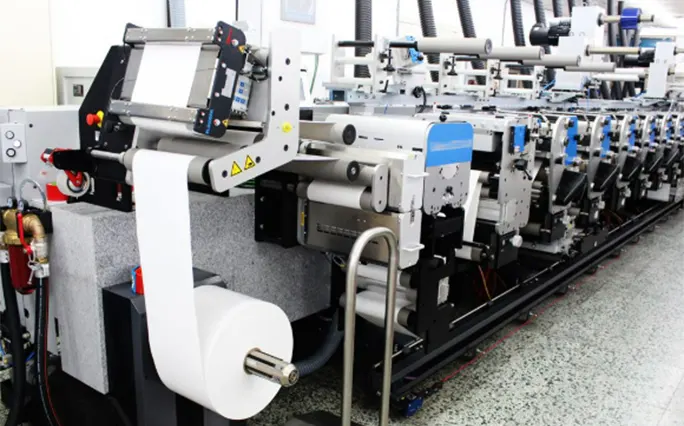
Flexo-Print Coffee Bags: A Comprehensive Guide
Flexo-Print Coffee Bags is a versatile and efficient method of printing used for a variety of packaging materials, and one of its most popular applications is in the printing of coffee bags.
Coffee bags, often crafted from paper or a combination of paper and other materials like foil, require robust and appealing print designs to make the coffee inside look as enticing as possible.
In this article, we will explore the materials suitable for Flexo printing, the scope and limitations of the Flexo printing process, and compare the benefits of Flexo with other printing methods such as gravure and digital printing.
I. Materials Suitable for Flexo Printing on Coffee Bags
Flexo printing is ideal for a wide range of substrates, especially papers and flexible films, which are the common materials used in packaging. For coffee bags, paper is often a primary material due to its eco-friendly appeal and ease of use. Here are some common paper-based materials suitable for Flexo printing in coffee bags:
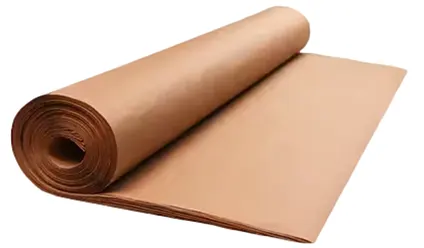
Kraft Paper
Known for its natural, rustic appeal, Kraft paper is widely used for coffee bags. It is durable and has a textured surface, which holds ink well, making it perfect for Flexo printing. The rough texture of Kraft paper adds to the authenticity of the coffee product.
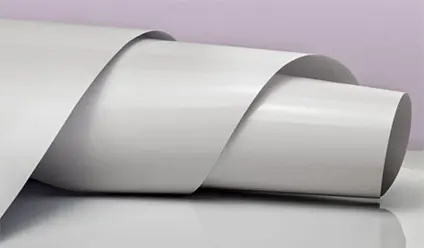
Coated Paper
Coated papers are smoother and offer a better finish, which makes them ideal for more refined designs with fine details and vibrant colors. Flexo printing on coated paper ensures that the print quality is sharp, vivid, and long-lasting.
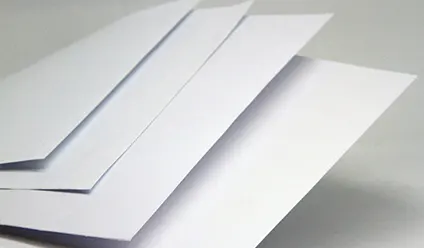
Uncoated Paper
Uncoated paper offers a more natural finish, which is sometimes preferred for organic or artisanal coffee brands. It allows for a slightly more muted, but still high-quality, print.
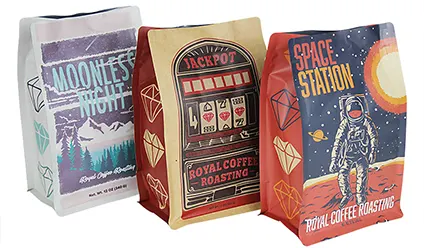
Paper Laminate
Coffee bags that require more protection from moisture often use paper laminated with plastic or foil. Flexo printing works well on these laminated substrates, providing durability without compromising on print clarity.
Flexo printing on these materials provides excellent adhesion and print quality, which is crucial for packaging that will endure handling, transport, and storage
II. Flexo Printing’s Scope and Limitations
Flexo printing is highly versatile, but like any printing method, it has its range of applications and limitations. Understanding these will help you determine whether Flexo printing is the right choice for your coffee bag packaging.
Scope of Flexo Printing:
- Wide Range of Substrates: Flexo can print on a variety of materials, not just paper, including plastics, films, and foils. This makes it suitable for coffee bags that need both a rustic paper look or a high-end glossy finish.
- High-Speed Production: Flexo printing is ideal for high-volume production, making it perfect for companies that need to print large quantities of coffee bags. The speed of the process, combined with its cost-effectiveness, allows for large runs of printed bags with consistent quality.
- Large and Small Jobs: Flexo printing can be easily adapted for both large-scale productions and smaller, more customized jobs. Whether you're printing a run of thousands or just a few hundred coffee bags, Flexo can handle it.
- Multicolor and Detail: Flexo printing is capable of producing high-quality, multicolor prints. Advanced techniques like extended gamut printing also allow for vibrant designs and fine details, which are essential for coffee brands looking to stand out in the market.
Limitations of Flexo Printing:
- Substrate Limitations: While Flexo printing can handle a variety of materials, certain types of high-gloss or highly reflective surfaces may be difficult to print on. Some plastic films or coatings may require special adjustments or pre-treatment before printing.
- Fine Details: Although Flexo printing is excellent for a broad range of designs, it may not always be able to achieve the fine detail that some other methods, such as gravure or offset printing, can. This is especially true for designs with extremely intricate lines or very small text.
- Printing Thickness: Flexo printing can sometimes struggle with very thick or textured papers, leading to slight inconsistencies in the print. This is more of an issue with the paper’s ability to absorb ink rather than the Flexo technology itself.
III. Flexo printing vs. Roto-gravure printing and Digital Printing: The Benefits for Coffee Bags
When comparing Flexo printing to other common printing methods like gravure and digital printing, each method has its strengths and weaknesses. Let’s break down the advantages of using Flexo printing for coffee bags over these two alternatives.
Flexography vs. Gravure Printing for Coffee Bags
Gravure printing, which uses engraved cylinders to transfer ink, has traditionally been considered the premium option for high-quality packaging printing. However, Flexography offers several distinct advantages for coffee bag production:
- Cost Efficiency: Flexography involves significantly lower initial costs than gravure, which requires expensive engraved cylinders. This makes Flexo more accessible for small to medium production runs and allows for more frequent design changes without substantial financial impact.
- Quick Turnaround: The faster plate production process and simpler press setup enable Flexography to deliver shorter production lead times compared to gravure. This responsiveness benefits coffee roasters who may need to quickly address market trends or seasonal promotions.
- Environmental Performance: Modern Flexography predominantly uses water-based or UV-curable inks, which are more environmentally friendly than the solvent-based inks traditionally used in gravure printing. This advantage aligns with the coffee industry's increasing focus on sustainability.
- Operational Flexibility: Flexo presses can accommodate various repeat lengths through simple plate and cylinder changes, while gravure requires completely different cylinders for each repeat length. This flexibility allows coffee bag producers to efficiently handle diverse packaging sizes and specifications.
- Improved Technology: Advances in Flexo platemaking, particularly digital plate production and laser-engraved anilox rollers, have significantly narrowed the quality gap between Flexography and gravure. Today's high-quality Flexo printing can rival gravure for most coffee packaging applications.
Flexography vs. Digital Printing for Coffee Bags
Digital printing has emerged as a competitive technology, particularly for short runs and variable data applications. Each method offers distinct benefits:
- Production Volume Considerations: Digital printing excels for short-run applications with minimal setup requirements, while Flexography becomes increasingly cost-effective as run lengths increase. The crossover points where Flexo becomes more economical varies but typically occurs around 5,000-10,000 linear meters depending on color count and complexity.
- Color Consistency: Flexography provides superior color consistency across long runs once properly set up, while digital printing can experience slight color variations due to its different ink application mechanism. This consistency is valuable for coffee brands requiring exact color matching across multiple production batches.
- Substrate Versatility: Flexography offers broader material compatibility, particularly with non-porous films and specialty substrates that may present challenges for some digital printing technologies. This versatility enables coffee packagers to select optimal materials for product preservation without printing limitations.
- Operational Costs: While digital printing eliminates plate costs, its per-unit consumable expenses are typically higher than Flexography for medium to long runs. Flexo's lower ink costs and higher production speeds create a favorable economic profile for quantity production.
- Special Effects Capabilities: Flexography supports specialty inks and coatings including metallics, fluorescents, and spot colors that may not be available or economically feasible in digital printing. These effects can enhance shelf impact and brand distinction for coffee products.
IV. Future Trends in Flexo-Printed Coffee Bags
The future of Flexography in coffee packaging looks promising, with several technological advancements driving continued adoption:
Digital Plate Innovation
Further developments in digital platemaking, including surface screening and hybrid screening technologies, will continue to enhance print quality while reducing dot gain in highlight areas.
Advanced Anilox Rollers
Laser-engraved ceramic anilox rollers with more precise cell geometries and coatings will enable better ink transfer control and longer service life, contributing to more consistent print quality.
Press Design Evolution
The shift toward servo-driven presses with modular design allows for more flexible configurations and improved registration control, expanding creative possibilities for coffee bag designs.
Eco Inks & Materials
Ongoing development of bio-based and compostable inks will align Flexography with the coffee industry's sustainability initiatives, potentially creating fully compostable printed coffee bags.
Hybrid Printing
The integration of digital printing units with Flexo presses combines the strengths of both technologies, allowing for efficient production of main designs with variable data elements.
V. Conclusion: Why Choose Flexo for Coffee Bags?
Flexo printing is a reliable, versatile, and cost-effective method for printing coffee bags.
It offers a wide range of material compatibility, including various types of paper, paper laminates, and even plastic films, making it suitable for a wide variety of coffee packaging needs. Compared to other printing methods, such as gravure and digital, Flexo strikes a good balance between cost-effectiveness for large runs, print quality, and production speed.
When designing coffee bags, especially for high-volume production, the benefits of Flexo printing—like its speed, versatility, and cost-efficiency—make it a top choice for coffee brands looking to bring their product to market with an eye-catching, durable design. Whether you're looking for a rustic Kraft paper bag or a premium laminated package, Flexo printing offers the flexibility and quality necessary to make your coffee bags stand out on the shelf.
By understanding the scope, limitations, and advantages of Flexo printing, coffee brands can make an informed decision about their packaging needs, ensuring that they deliver a high-quality product to their customers with optimal efficiency.
Build your bag and get a quote
Build your bag and get a quote